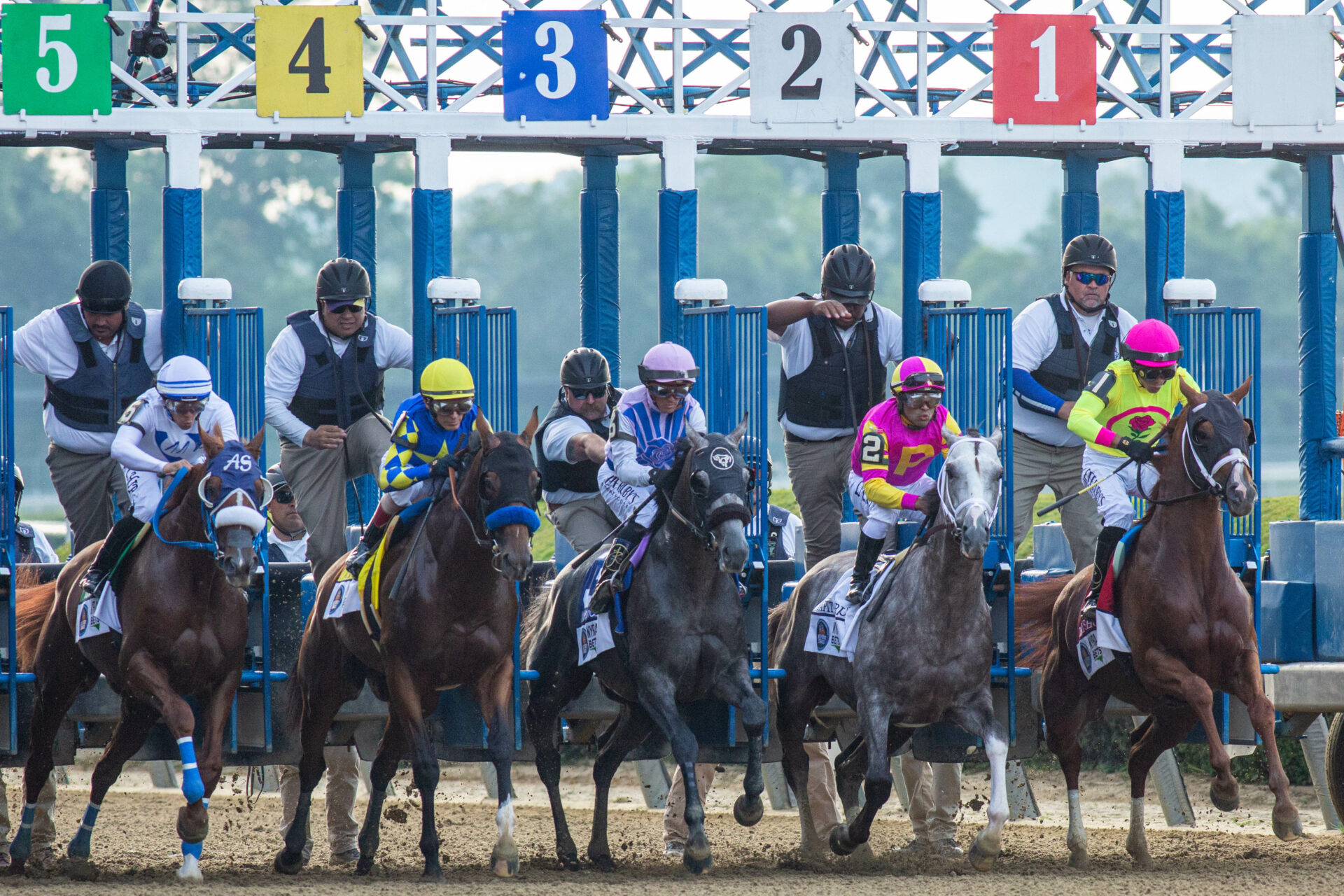
Horse racing is a sport steeped in history, tradition, and a certain thrill that draws millions of spectators and participants alike. From the roaring crowds at the tracks to the quiet anticipation behind the scenes, this captivating realm demonstrates an unparalleled connection between humans and horses. It is a world that not only encourages competition but also fosters camaraderie and reverence for these magnificent animals. In this exploration of horse racing, we will delve into aspects that are not blocked by controversies or limits imposed on this venerable sport, highlighting its resilience and enduring appeal. For more on the equestrian community, you can check out horse racing not blocked by GamStop merseysidepolicemounted.uk.
The Historical Roots of Horse Racing
Horse racing dates back thousands of years, with origins traced to ancient civilizations such as the Greeks, Romans, and Egyptians, who competed with horses for sport and entertainment. The sport evolved through various cultures and eras, gaining popularity in medieval Europe where knights showcased their steeds in contests of speed and skill. Today, horse racing stands as a quintessential element of the sporting landscape, particularly in countries like the United Kingdom, the United States, and Australia.
The Races: A Spectrum of Styles and Formats
There are several forms of horse racing, each with its unique set of rules, formats, and styles. The most recognized types include:
- Flat Racing: This is perhaps the most straightforward form of racing, where horses compete on a flat surface without any obstacles. Distances typically range from 5 furlongs to over 2 miles. Flat racing events, such as the Kentucky Derby and the Royal Ascot, draw significant attention and establish renowned legacies.
- Jump Racing: Also known as National Hunt racing, this involves races where horses jump over obstacles such as fences and hedges. The Grand National is one of the most famous jump races globally, testing the horses’ endurance, agility, and training.
- Harness Racing: In this unique format, horses pull a two-wheeled cart containing a driver, racing at a specific gait. It is particularly popular in North America and parts of Europe.
The Horses: Majestic Athletes
The unsung heroes of any horse race are the equine athletes themselves. Breeds such as the Thoroughbred, Arabian, and Standardbred each possess distinct characteristics that make them suited for various racing formats. Thoroughbreds, celebrated for their speed and stamina, dominate the flat racing arena, known for their elegant physique and powerful builds.
The training of these horses is a meticulous process, often beginning at a young age, where they undergo rigorous conditioning and skill development. Beyond physical training, the bond between horse and jockey is paramount, as success largely relies on trust and communication.
The Human Element: Jockeys, Trainers, and Owners
While the horses are the stars of the race, the significance of human involvement cannot be overlooked. Jockeys, with their expertise and strategic insight, play a critical role in navigating the challenges of a race. The bond they share with their horses often translates into success on the track.
Trainers are the backbone of racing operations, responsible for preparing horses physically and mentally for competition. Their knowledge of the horse’s capabilities, dietary needs, and training regimens is critical to ensuring peak performance.

Lastly, racehorse owners invest not only money but also passion into this sport. Their commitment can often shape the racing landscape, leading to the emergence of new talent and the continued legacy of racing lines.
The Spectacle: Atmosphere and Community
Horse racing is much more than just a series of races; it is a vibrant social event attracting diverse groups of people. Whether dressed in elegant attire or casual apparel, spectators come together to celebrate not just the race but the culture surrounding it. The atmosphere at a racetrack is electric, with cheers mingling with the sound of hooves pounding the ground and the smell of fresh turf in the air.
Events like the Kentucky Derby and Royal Ascot are as much about fashion and festivities as they are about the races themselves. The camaraderie among fans creates a sense of community, one that transcends demographics and celebrates the love of horses and competition.
The Impact of Technology and Data in Racing
Modern technology is reshaping horse racing, investing it with data analytics, performance metrics, and digital engagement. The ability to analyze past performance, breed characteristics, and track conditions allows owners and trainers to make informed decisions that enhance training regimens and racing strategies. This data-driven approach is also prominent in betting, providing punters with insights that can impact their wagering decisions.
Furthermore, innovations such as live streaming and mobile betting have made horse racing more accessible than ever, inviting a younger, tech-savvy audience to participate in the excitement. As the sport evolves, the incorporation of technology is crucial to sustaining interest and ensuring a bright future for horse racing.
Challenges in the Horse Racing Industry
While horse racing boasts rich traditions, it has not been without its challenges. Issues such as animal welfare, drug use, and the risk of injury remain at the forefront of conversations surrounding the sport. Regulatory bodies continuously work to develop stricter guidelines and policies to improve safety and welfare for horses, jockeys, and trainers alike.
Additionally, the economic impact of events like the pandemic has forced many tracks and organizations to adapt quickly, emphasizing the need for resilience and innovation to keep the sport thriving. Balancing tradition with modern sensibilities is essential to ensure horse racing’s place in the contemporary sporting arena.
The Future of Horse Racing
As we look ahead, the future of horse racing hinges on embracing change while holding onto the admirable aspects of its storied past. Initiatives that focus on sustainability, community engagement, and inclusivity can help cultivate a new generation of fans while honoring the sport’s heritage.
In conclusion, horse racing is an enduring sport that embodies defiance against obstacles, both on and off the track. Its blend of excitement, tradition, and community ensures its position as a beloved pastime for current and future generations. By fostering a culture of respect for animal welfare and adopting modern advancements, horse racing can continue to thrive, captivating the hearts of those who witness the majestic display of speed, skill, and spirit that this extraordinary sport has to offer.
